


June 4, 2026
June 4, 2026
Mobile applications have become an essential part of how businesses connect with customers, deliver services, and build long-term engagement. As user expectations continue to rise, companies are increasingly investing in high-performance mobile experiences that are fast, secure, and reliable across every interaction.
Native mobile app development stands out as one of the most effective approaches for building powerful applications tailored specifically for iOS or Android platforms. With better performance, smoother user experiences, and full access to device features, native apps remain a popular choice for businesses aiming to create scalable and future-ready digital products.
Native mobile app development is the process of building applications specifically designed for a particular mobile operating system, such as iOS or Android. Unlike web apps or cross-platform solutions, native apps are developed using programming languages and tools officially supported by each platform. For example, iOS applications are commonly built with Swift or Objective-C, while Android apps are typically developed using Kotlin or Java.
Because native apps are created specifically for one operating system, they can fully leverage the device’s hardware and software capabilities. This includes direct access to features such as the camera, GPS, microphone, push notifications, biometric authentication, Bluetooth, and more. As a result, native applications often deliver faster performance, smoother animations, and a more responsive user experience compared to other development approaches.
Many of the world’s most popular mobile applications rely on native development to ensure stability, security, and scalability. Industries such as banking, eCommerce, healthcare, social media, transportation, and entertainment frequently choose native apps to deliver seamless digital experiences and support large-scale user activity.
As mobile technology continues to evolve, native mobile app development remains a strong choice for businesses that require high performance, advanced functionality, and long-term scalability in their mobile applications.
When businesses invest in native mobile app development, the first major decision usually involves choosing the platform ecosystem. Both iOS and Android offer powerful opportunities, but each comes with its own technologies, development environment, and user expectations. Understanding the differences between these platforms helps businesses build applications that align with their target audience and long-term goals.
Whether businesses choose iOS, Android, or both platforms, native development allows applications to fully maximize the strengths of each ecosystem. By tailoring the experience to platform-specific standards and user behaviors, companies can create mobile applications that feel faster, more intuitive, and more engaging for their audience.
One of the main reasons businesses choose native mobile app development is the ability to deliver a faster, smoother, and more reliable mobile experience. Since native apps are built specifically for a single platform, they can fully optimize both performance and usability in ways that other development approaches often struggle to achieve.

For businesses aiming to build high-quality mobile experiences that support long-term digital growth, native mobile app development continues to be one of the most effective and future-ready solutions.
Behind every successful native mobile application is a combination of powerful programming languages, development frameworks, and supporting technologies that work together to deliver smooth performance and reliable functionality. The technologies used often depend on the target platform, app complexity, and business requirements.
By combining the right technologies and development tools, businesses can create native mobile applications that are secure, scalable, and capable of delivering seamless user experiences across modern mobile devices.
Building a successful native mobile application involves far more than just coding. From defining business goals to maintaining the app after launch, every stage of the development process plays an important role in creating a high-performing and user-friendly product. A structured development workflow not only improves efficiency but also helps businesses reduce risks, optimize costs, and deliver better user experiences.
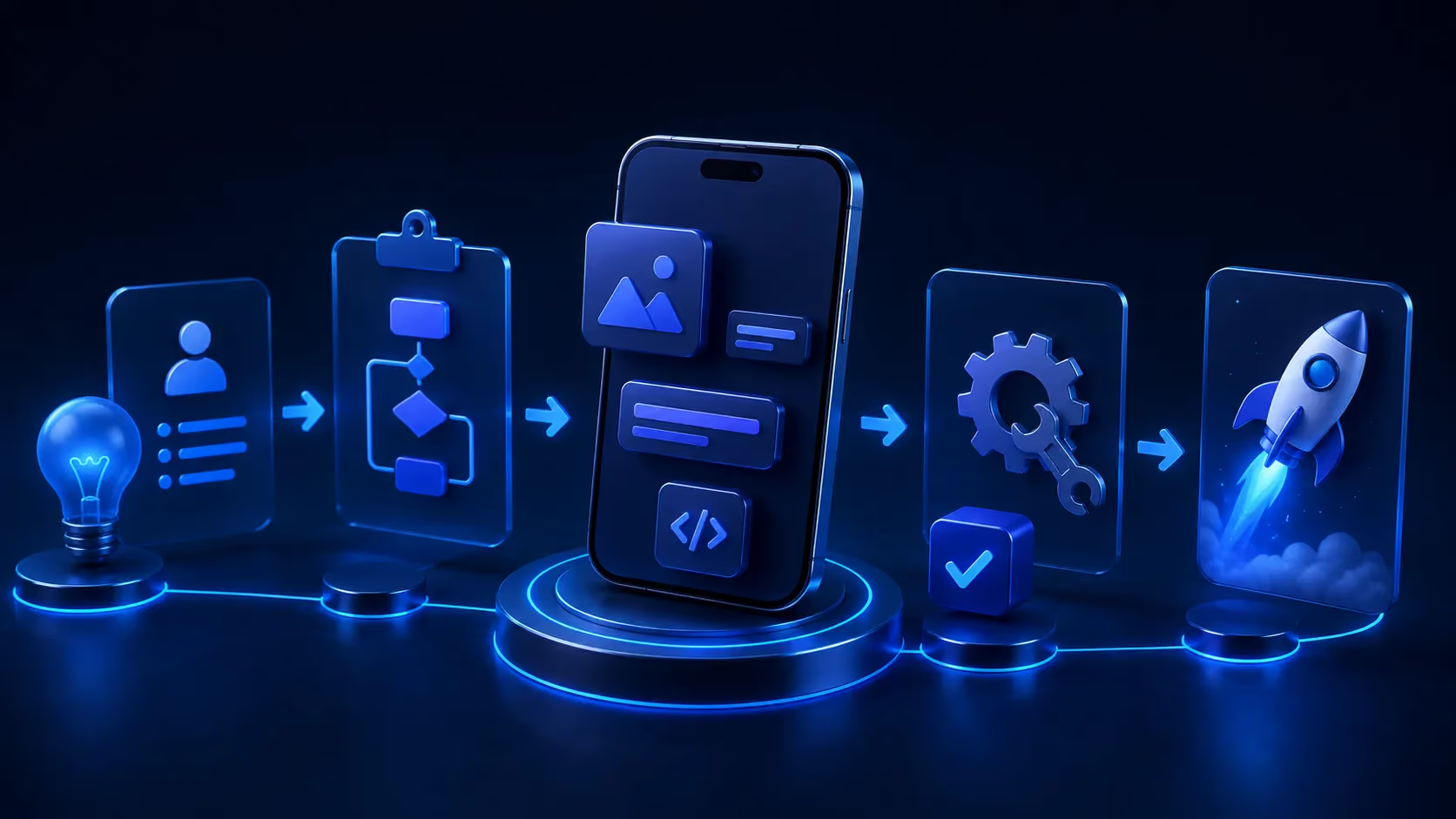
Every successful mobile app starts with a clear strategy. During this stage, businesses identify their objectives, target audience, core features, and overall project scope. Market research and competitor analysis are also important for understanding user expectations and discovering opportunities to stand out in a crowded app marketplace.
This planning phase helps development teams establish realistic timelines, budgets, and technical requirements before moving into design and development. A well-defined roadmap often prevents costly revisions later in the project.
Once the project requirements are finalized, the focus shifts toward designing the user experience. Native mobile applications need intuitive navigation, visually appealing interfaces, and seamless interactions that align with platform-specific design standards for iOS and Android.
Designers typically create wireframes, user flows, and interactive prototypes to visualize how the application will function before development begins. This stage allows businesses to validate ideas early, gather feedback, and refine the user journey for maximum usability and engagement.
A strong UI/UX design not only improves customer satisfaction but can also significantly increase user retention over time.
The development phase is where the application begins to take shape. Frontend developers build the mobile interface while backend developers handle databases, APIs, authentication systems, and server-side functionality.
For iOS applications, developers commonly use Swift and Xcode, while Android apps are often built using Kotlin and Android Studio. During this process, teams also integrate important device features such as GPS, cameras, push notifications, payment systems, and biometric authentication.
Because native apps are developed specifically for each platform, they can achieve higher performance, smoother responsiveness, and better system integration compared to many alternative approaches.
Before launch, the application undergoes extensive testing to ensure stability, security, and compatibility across different devices and operating systems. This stage helps identify bugs, performance issues, and user experience problems before the app reaches the market.
Quality assurance often includes:
Thorough testing is essential for protecting brand reputation and delivering a reliable mobile experience from day one.
After testing is complete, the application is prepared for release on platforms such as the Apple App Store and Google Play Store. However, launching the app is only the beginning of the long-term development journey.
Ongoing maintenance is necessary to keep the application secure, compatible with operating system updates, and aligned with evolving user expectations. Businesses often continue improving their apps through feature enhancements, performance optimization, bug fixes, and regular security updates.
Continuous monitoring and updates help native applications remain competitive while supporting long-term business growth and customer engagement.
A well-structured native mobile app development process allows businesses to transform ideas into scalable digital products with strong performance, seamless usability, and long-term market value. By carefully managing each stage of development, companies can build mobile applications that not only meet technical requirements but also create meaningful experiences for their users.
The cost of native mobile app development can vary depending on the app’s complexity, features, design requirements, and whether the business wants to build for iOS, Android, or both platforms.
Because native apps require separate development for each operating system, the overall investment is usually higher than cross-platform solutions, but it often delivers better long-term performance and scalability.
In general, businesses can expect approximate development costs such as:
Additional factors such as custom UI/UX design, third-party integrations, ongoing maintenance, and post-launch updates can also affect the final budget. Development timelines, team expertise, and geographic location of the development partner may further influence overall costs.
At Serdao, businesses can work with experienced developers to identify the most suitable development strategy based on their budget, technical requirements, and long-term business goals.
Conclusion
Native mobile app development continues to be one of the most reliable solutions for businesses that want to deliver fast, secure, and high-quality mobile experiences. From superior performance and seamless user interfaces to stronger scalability and long-term stability, native apps provide the foundation needed to support sustainable digital growth in an increasingly competitive mobile landscape.
Whether you are building a customer-focused application, an enterprise platform, or the next innovative digital product, choosing the right development strategy can make a significant difference in both user experience and business success. With the right technology partner, businesses can transform ideas into powerful mobile applications that create lasting value and stronger customer engagement.